Elevator Refinishing in Manhattan, Brooklyn & Queens
Elevator refinishing · Manhattan · Brooklyn · Queens
Elevator cabs that look new again.
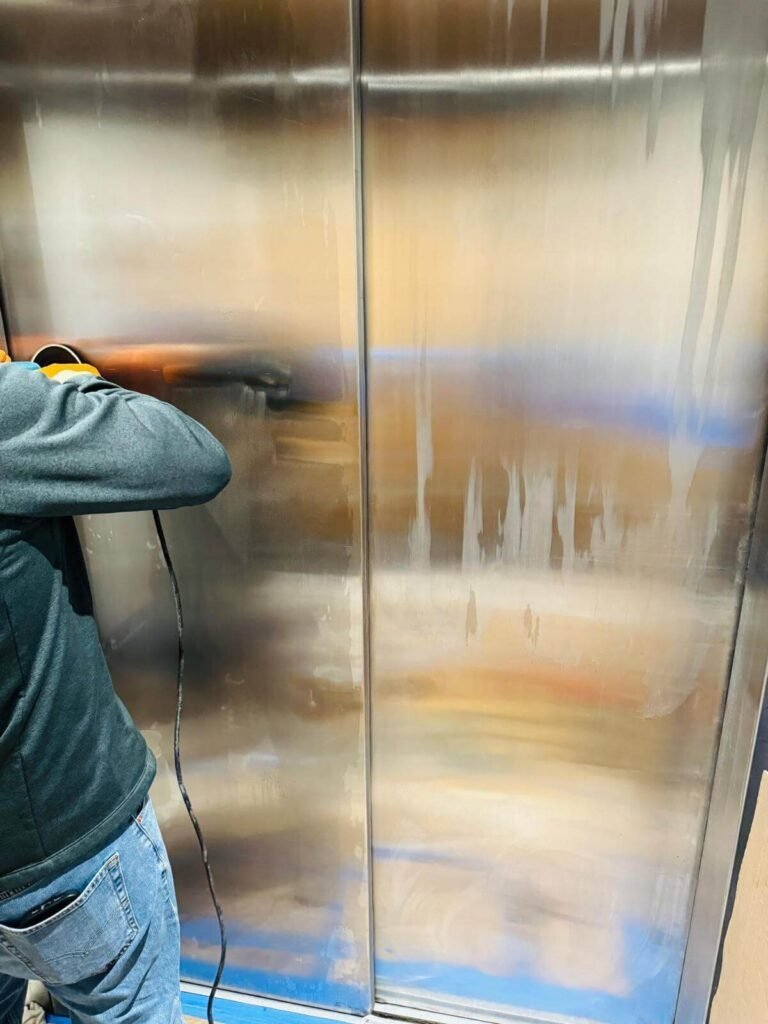
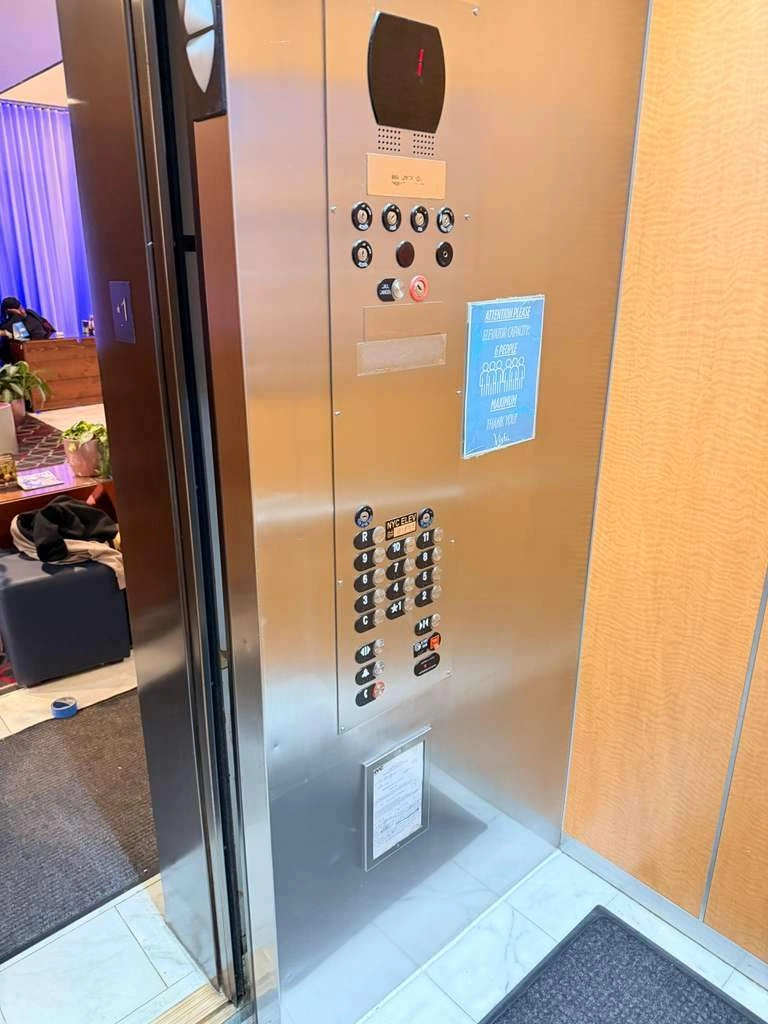
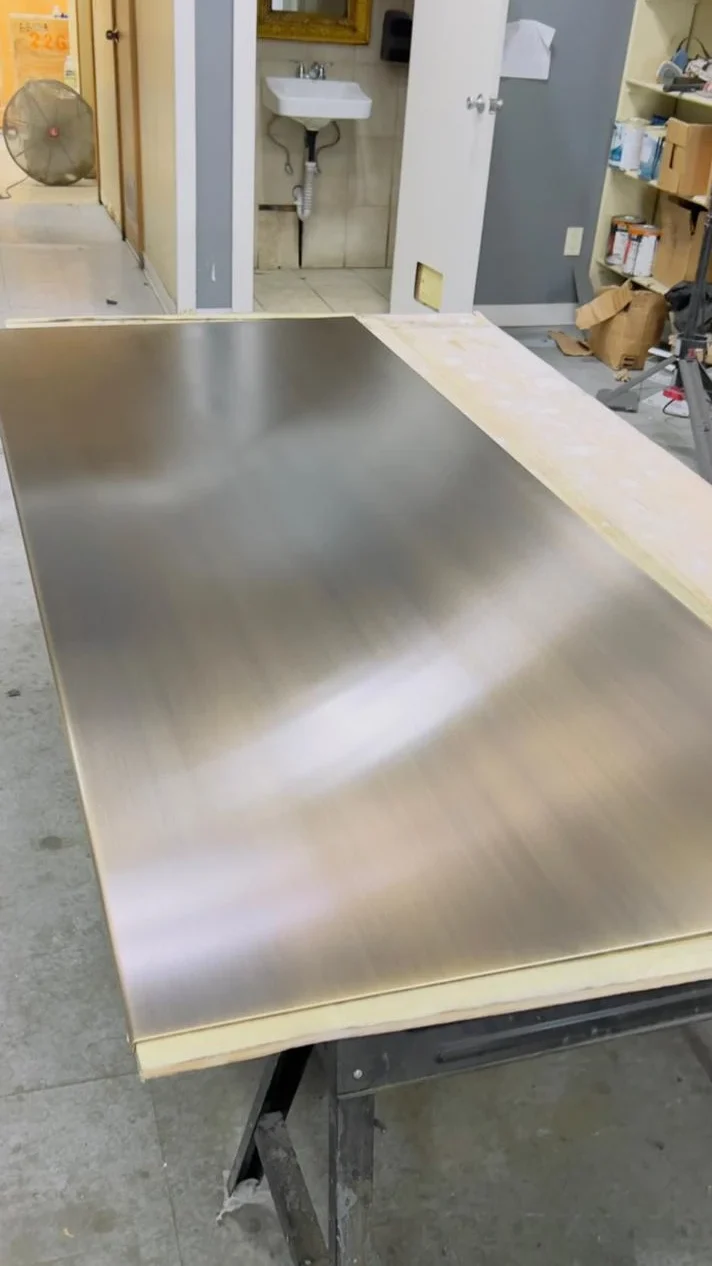
Scratched stainless, dulled bronze, graffiti-etched doors, and worn saddles restored on site — no cab removal, no replacement panels, no lobby shut down for weeks.
Elevator interiors take more abuse than any other metal in a building. Carts, furniture, keys, cleaning chemicals, and simple daily traffic wear through the grain of stainless steel and the lacquer on bronze and brass. Once the surface goes cloudy or scratched, the whole lobby reads as tired.
Replacing cab panels and door skins is expensive and slow. Refinishing restores the original surface in place, at a fraction of the cost, in a fraction of the time. We have been doing this work on architectural metal for the past 20 years, and elevator interiors are the single most common thing New York buildings call us about.
Why buildings hire us
Licensed & fully insured — COI on request
Nights, weekends & off-hours scheduling
Written scope and photo documentation
Single crew, single point of contact
Beautifully finished work with the space left clean.
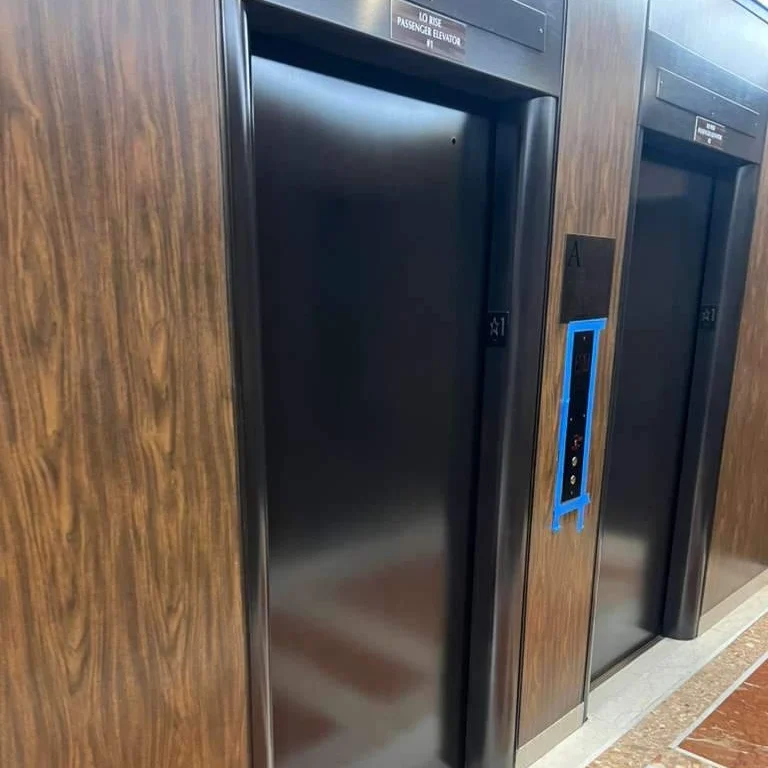
We work on passenger cabs, service cars, hoistway doors, entrance frames, saddles, hall stations, handrails, and ceiling panels in stainless steel, bronze, brass, nickel silver, and aluminum.
Entrance Frames
Elevator Saddles
Scratch & Graffiti Removal
How it works
Four steps, one crew.
01 — Survey & Sample
Send us a picture for a quick estimate. For larger projects, we walk the bank of elevators with you, identify the issues, and polish a test panel so you can see the result before anything is approved.
02 — Protect & Stage
Floors, thresholds, and lobby finishes are masked. Work is staged one car at a time so the building never loses its full elevator service.
03 — Refinish on Site
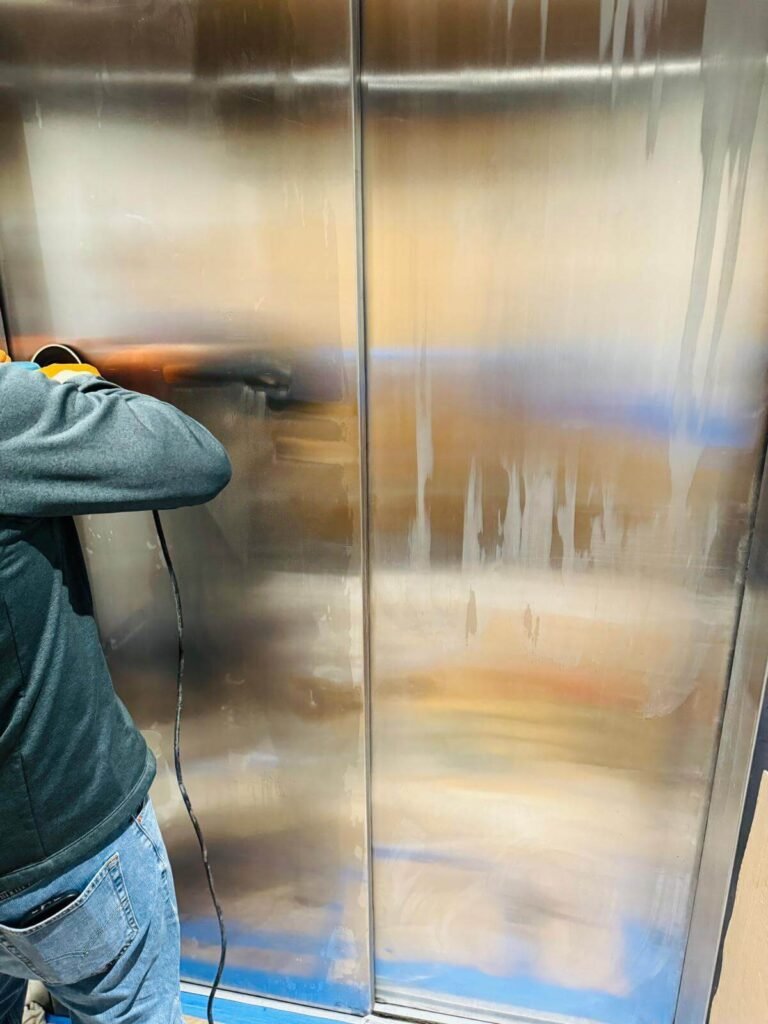
Cabs, doors, frames, saddles, and hall stations are refinished in place — no removal, no shop time, no replacement panels.
04 — Protect & Document
A clear protective coating is applied where appropriate, and you receive photo documentation for your files, your board, or your owner.
Do the elevators have to be taken out of service? One car at a time, usually for part of a day. We schedule around your building’s traffic — nights and weekends are routine for us in Manhattan towers.
Can scratched and vandalized stainless be saved? Almost always. Scratches, graffiti, key marks, and acid etching in stainless and bronze are removed by refinishing the grain, not by replacing the panel, at a fraction of replacement cost.
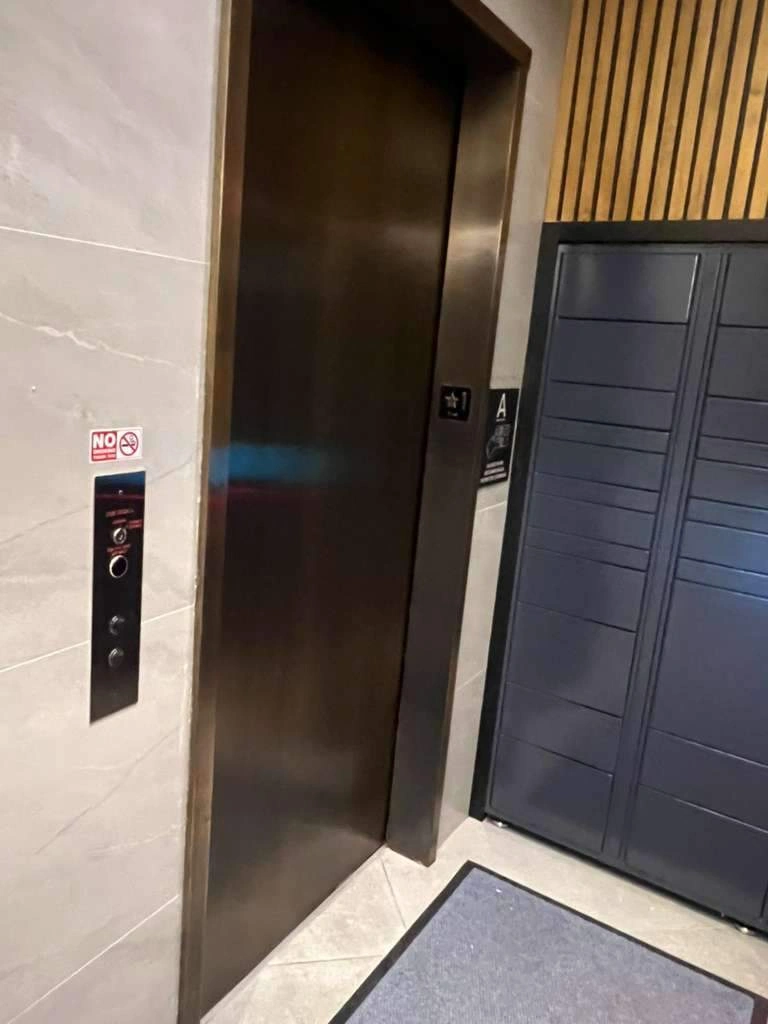
What finishes can you match? Satin and directional grain, mirror polish, statuary bronze, oxidized and antique patinas, and polished brass. We match the existing finish, so refinished cars sit next to untouched ones without a visible difference.
Do you carry insurance and provide a COI? Yes. We issue certificates of insurance naming the building, managing agent, and owner before the crew arrives.
How long does a typical job take? A single cab and door set is often a one-day job. A full bank in a pre-war co-op typically runs several days, scheduled to avoid move-ins and peak hours.
At the end of the day we want you to walk into your building and say WOW.
Are you ready to restore or clean your metal?
Free Metal Refinishing Estimates in NYC & North Jersey!
A hoistway door is the elevator door mounted on each floor landing, rather than on the elevator car itself. The “hoistway” is the vertical shaft the elevator travels in, and each opening into that shaft has its own set of doors that stay closed and locked unless the car is parked at that floor.
Every elevator stop has two sets of doors working together. The car doors are attached to the cab and travel with it. The hoistway doors (also called landing doors or hall doors) are fixed at each floor and are the ones you see from the lobby or hallway.
When the car arrives, a mechanism on the car door (usually a clutch or “vane”) engages rollers on the hoistway door and pulls both sets open in sync.
Hoistway doors are a key safety component. Each one has an interlock, a combined mechanical lock and electrical switch, so the elevator won’t move unless every hoistway door is closed and locked. That keeps people from falling into an open shaft. They’re also usually fire-rated, since they sit in the shaft wall, which is a fire barrier between floors. In New York, that rating label on the door frame or edge generally needs to stay intact and legible.
For refinishing work, the hoistway doors and their frames are the lobby- and hallway-facing surfaces, so they get most of the scuffs, scratches, and fingerprints and are the typical target for stainless polishing, graining, or repainting. The car doors are the interior counterpart. Work on either set generally stays cosmetic and leaves the rollers, tracks, and interlocks alone, since those are the elevator contractor’s responsibility.
Why
Why Choose Us
Speed - Communication - Quality
Discover the difference that attention to detail and personalized service can make. Choose us for a transformation that speaks volumes.
Clean Crews
Meticulous prep and covering
Detailed cleaning at the end
Clear Communication
Proactive communication style with in person walkthroughs
Text and email reminders
Transparent Pricing
Detailed itemized quotes sent by email, text, and pdf.
We do our best to set clear expectations
Quality Finishes
Detailed crews to give superior finishes
27-point checklist system to ensure a smooth project with no detail missed
Project Completion
We meet deadlines without compromising on quality
Project completion with a human touch
Licensed & Insured
Your peace of mind is paramount. As a fully licensed and insured company, we uphold the highest standards of safety and compliance. You can rest easy knowing your project is in the hands of credible professionals.
Home improvement contractor licensed
Liability, umbrella, and workers comp insurance
Testimonials
Our Customers Feedback
Locations
Services Areas
Westchester
Queens
Brooklyn
North Jersey
Manhattan
credentials
Our Street Cred
challenge us
We Are Constantly Looking For New Challenges
Do you have an amazing idea that we could build together?