We restore brass, bronze, and copper doors, elevator trim, railings, and architectural fixtures across NYC and North Jersey
Brass, bronze, and copper are different metals: brass is copper + zinc, bronze is copper + tin, and copper is used pure. Each needs a different cleaning and finishing process
Tarnish (surface dirt/oxidation) can usually be cleaned off; patina (a deeper, aged color change) is a design choice — we can strip it for a bright polished look or preserve and even it out
High-traffic surfaces like entrance doors and handrails typically need refinishing every 1–2 years
Work can be done on-site without removing doors or fixtures, and scheduled after-hours or weekends to avoid disrupting residents
NYC Brass Refinishing Contractor
Many pre-war buildings in Manhattan have brass, bronze, or copper on their doors, railings, and trim. These metals give a building its classic New York look. But over time, they get dull, scratched, or stained. Some pieces turn dark or spotty. Others lose their shine completely.
The good news: you almost never need to replace these pieces. In most cases, we can restore the original brass, bronze, or copper to look like new or keep some of its aged character, if that’s the look you want.
We work on entrance doors, elevator doors and trim, handrails, mailboxes, and other architectural metal across Manhattan, Brooklyn, Queens, The Bronx, and North Jersey.
Brass is one of the most common metals on Manhattan building entrances and elevator doors. It looks great when it’s clean and polished. But brass tarnishes fast, especially with heavy foot traffic, salt air, and city pollution.
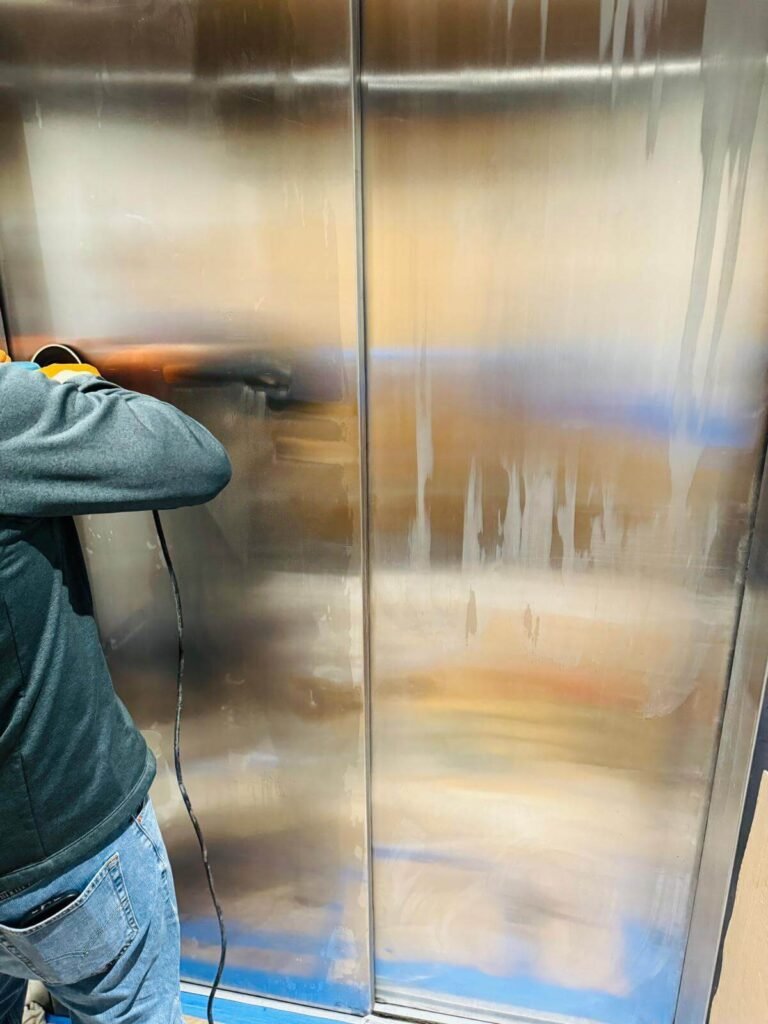
We refinish, clean, polish, and protect brass doors and elevator trim so they look sharp again. Our process removes tarnish, scratches, and years of buildup, then seals the surface with a clear protective coating to slow down future tarnishing.
What we handle:
Brass entrance doors and door frames
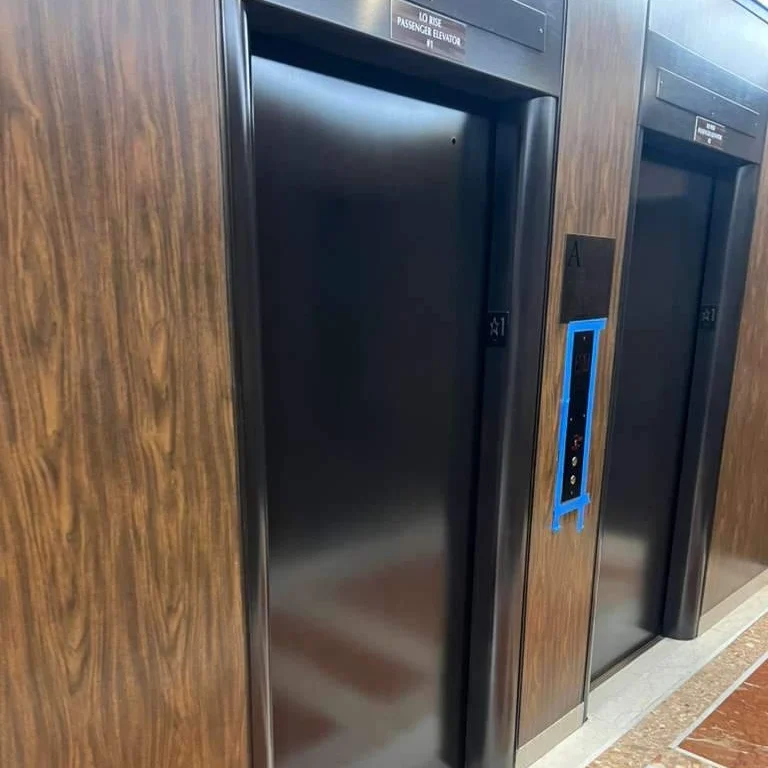
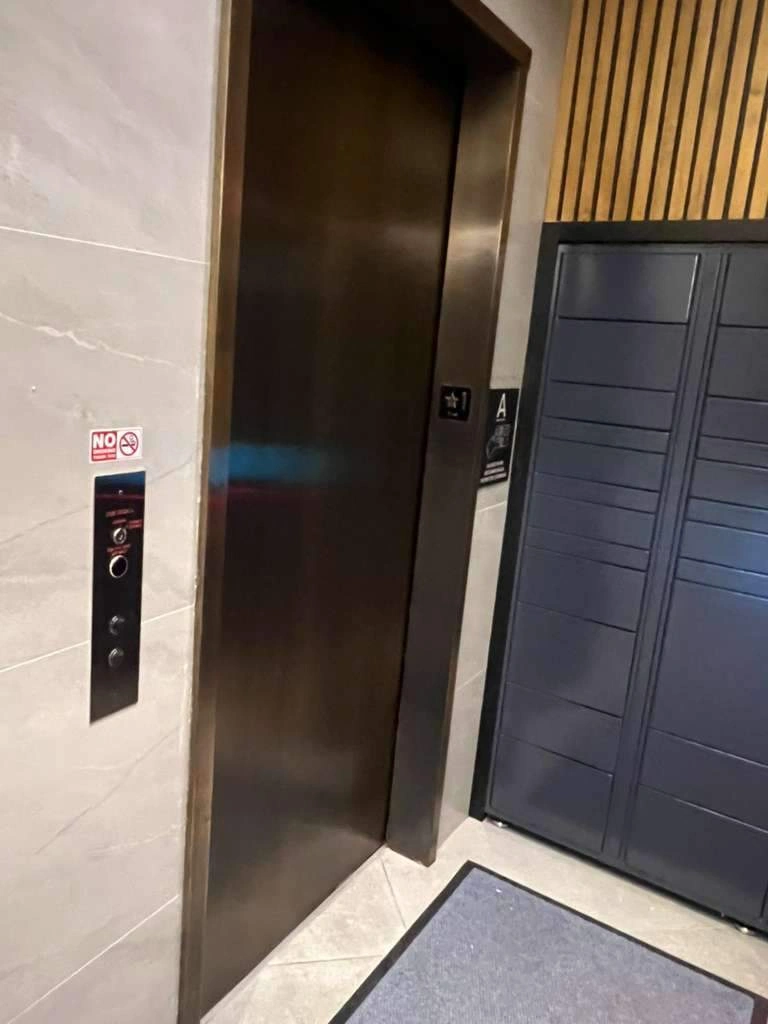
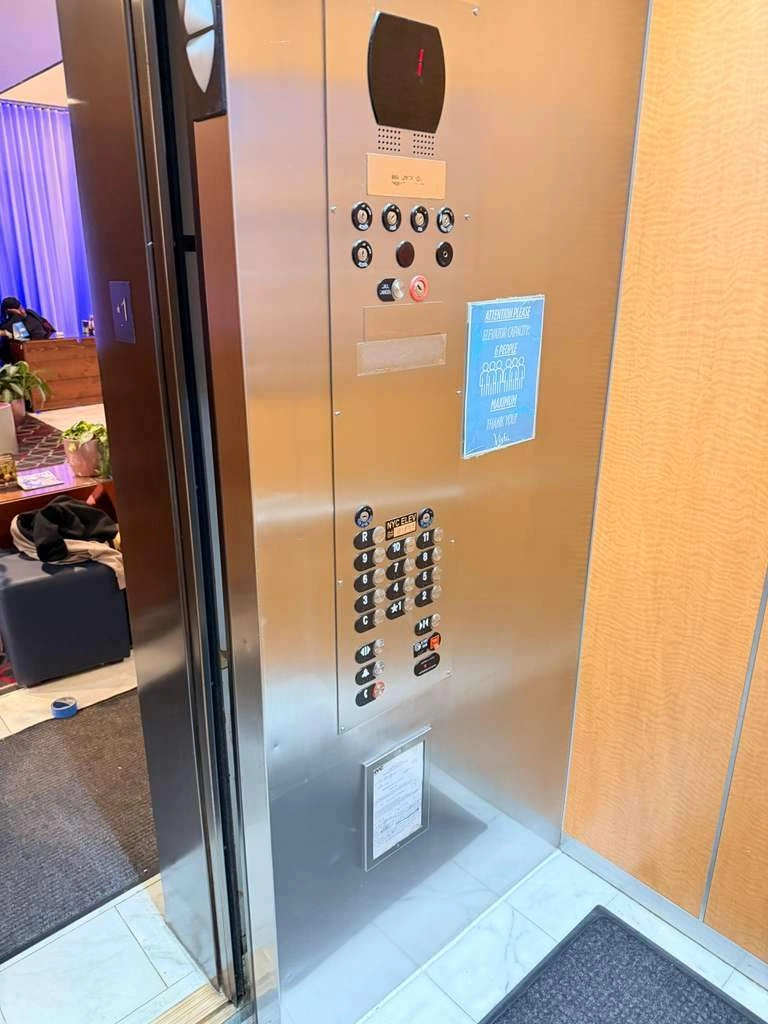
Brass elevator doors and cab trim refinishing
Brass kick plates and push plates refinishing
Brass door hardware and hinges restoration
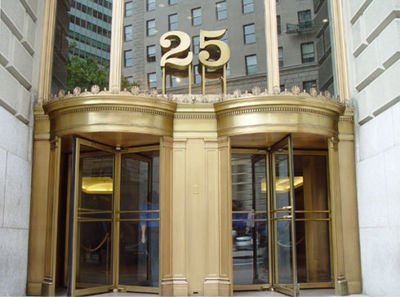
Bronze Revolving Doors
Bronze Plaques
Bronze Decorative Trim
Bronze Door & Trim Restoration
Bronze is common in older, more distinguished Manhattan buildings — think grand entrance doors, revolving doors, plaques, and decorative trim. Bronze is different from brass. Over time, it naturally develops a patina, which is a darker, sometimes greenish or brownish surface layer.
Sometimes that patina looks great and adds character. Sometimes it looks dirty, uneven, or worn out. Either way, we can help.
We offer two paths for bronze:
Bright restoration — we strip away the patina and scratches, then polish the bronze back to a bright, warm shine.
Patina care — we clean and even out the existing patina, then protect it so it doesn’t get worse or look patchy.
We’ll walk your board or building staff through both options and show you examples before starting any work, so there are no surprises.
Handrails
Copper Decorative Ceilings and Accents
Custom Patina & Antique Finishes
Copper Cleaning and Refinishing
Copper shows up on some Manhattan buildings as trim, gutters, decorative panels, and accents. Like bronze, copper naturally darkens and can develop a greenish patina over time.
We clean copper surfaces, remove staining and corrosion, and restore the finish you want. A bright, polished look or a cleaner, more even version of its natural patina.
Handrails, Railings & Architectural Metal
Handrails and railings get touched constantly, which means they show wear faster than almost any other metal surface in a building. Dirty or corroded handrails are also a common complaint from residents and a liability concern for boards and management companies.
We restore brass, bronze, and copper:
Handrails and stair railings
Balustrades
Lobby and vestibule trim
Decorative architectural details
Custom Patina & Antique Finishes
If you’re looking to add color and age to brass, bronze, or copper on purpose – for a plaque, an accent panel, decorative trim, or a piece that should look like it’s always been there.
We offer custom chemical patina and antique finishes that create controlled browns, blacks, blues, or greens on brass, bronze, and copper. This is a specialized finishing process, not paint; it works with the metal itself.
A few things to know:
Best for lower-traffic areas. Plaques, trim, accent panels, and decorative surfaces hold a patina finish much longer than anything people touch constantly, like handrails or door handles.
Every patina finish is sealed for protection. Without a protective clear coat, a patina keeps reacting over time and can look uneven. We finish every patina job the same way we finish a polish job — with a protective seal.
Copper needs the right conditions. Copper patina work is sensitive to temperature and humidity, so we may recommend scheduling it around the weather rather than any day of the week.
Common requests:
Bronze patina application
Copper patina / antique copper finish
Custom metal antiquing for plaques and accents
Restoring an even, uniform patina on aged bronze or copper
What’s the difference between brass, bronze, and copper? Copper is a pure metal with a reddish-orange color. Brass is a mix of copper and zinc, giving it a yellow-gold look; it’s the most common metal on Manhattan entrance doors and elevator trim. Bronze is a mix of copper and tin, often used for grander entrance doors, revolving doors, and plaques in older, more distinguished buildings.
What’s the difference between tarnish and patina? Tarnish is a dull surface film caused by everyday dirt and oxidation — it’s not intentional, and most people want it cleaned off. Patina is a deeper color change that builds up over years, sometimes decades. On bronze especially, patina is often considered attractive and is worth preserving rather than removing.
Will polishing remove the patina on our building’s bronze doors? Only if you want it to. We offer two options: a bright polish that strips the patina back to shining metal, or a patina refresh that cleans and evens out the existing color while keeping its aged character. We’ll show your board or building staff both options before starting.
Do you need to remove our doors or fixtures to do this work? No. Refinishing and polishing are done on-site, in place. This also means no downtime for entrances or elevators.
How often does brass or bronze need to be refinished? High-traffic surfaces like entrance doors and handrails usually need attention every 1 to 2 years. Fixtures with a stable, intentional patina can often go longer between full restorations.
Can this be done without disrupting residents or tenants? Yes. We regularly schedule this work after-hours or on weekends specifically to avoid disrupting building traffic.
Do you work with co-op and condo boards? Yes. We provide itemized, written quotes that boards can review and approve, and we’re used to walking board members through material and finish options before work begins.
At the end of the day we want you to walk into your building and say WOW.
Are you ready to restore or clean your metal?
Free Metal Refinishing Estimates in NYC & North Jersey!
Discover the difference that attention to detail and personalized service can make. Choose us for a transformation that speaks volumes.
Clean Crews
Meticulous prep and covering
Detailed cleaning at the end
Clear Communication
Proactive communication style with in person walkthroughs
Text and email reminders
Transparent Pricing
Detailed itemized quotes sent by email, text, and pdf.
We do our best to set clear expectations
Quality Finishes
Detailed crews to give superior finishes
27-point checklist system to ensure a smooth project with no detail missed
Project Completion
We meet deadlines without compromising on quality
Project completion with a human touch
Licensed & Insured
Your peace of mind is paramount. As a fully licensed and insured company, we uphold the highest standards of safety and compliance. You can rest easy knowing your project is in the hands of credible professionals.
Home improvement contractor licensed
Liability, umbrella, and workers comp insurance
Testimonials
Our Customers Feedback
Locations
Services Areas
Westchester
Queens
Brooklyn
North Jersey
Manhattan
credentials
Our Street Cred
challenge us
We Are Constantly Looking For New Challenges
Do you have an amazing idea that we could build together?